The Living Curriculum
kinship, nature & play
The workforce exists…
kinship in nature has united wisdom keepers across play, nature connection, forest school & permaculture. They, in line with the science, agree on a nature-based curriculum being the foundation of mainstream education. Let us together enable a curriculum that realises our children’s full potential.
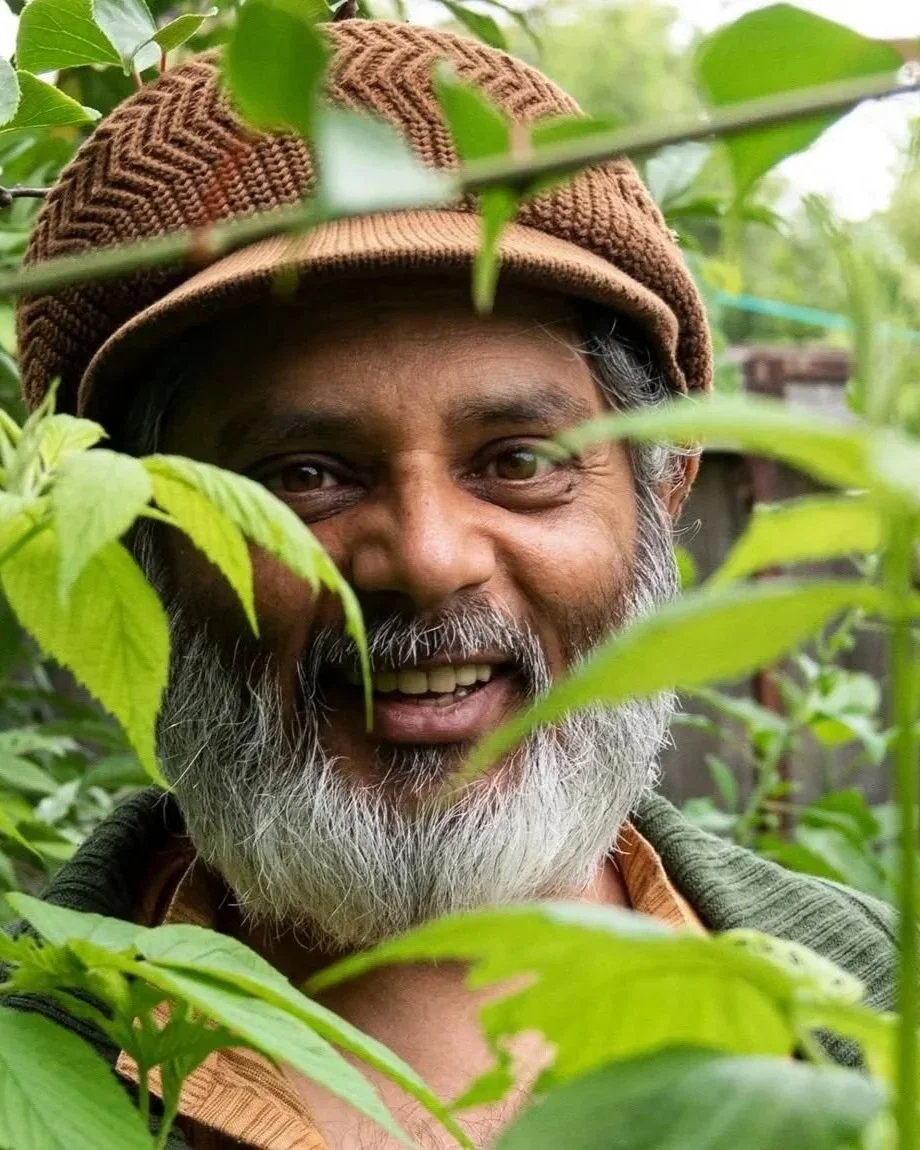
Rakesh Rootsman Rak - Children in Permaculture
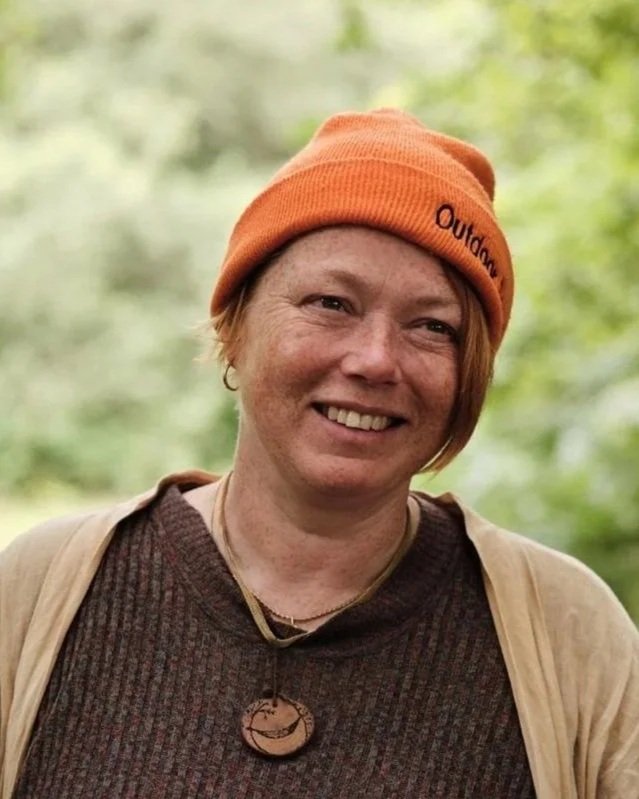
Cath Prisk - Outdoor People
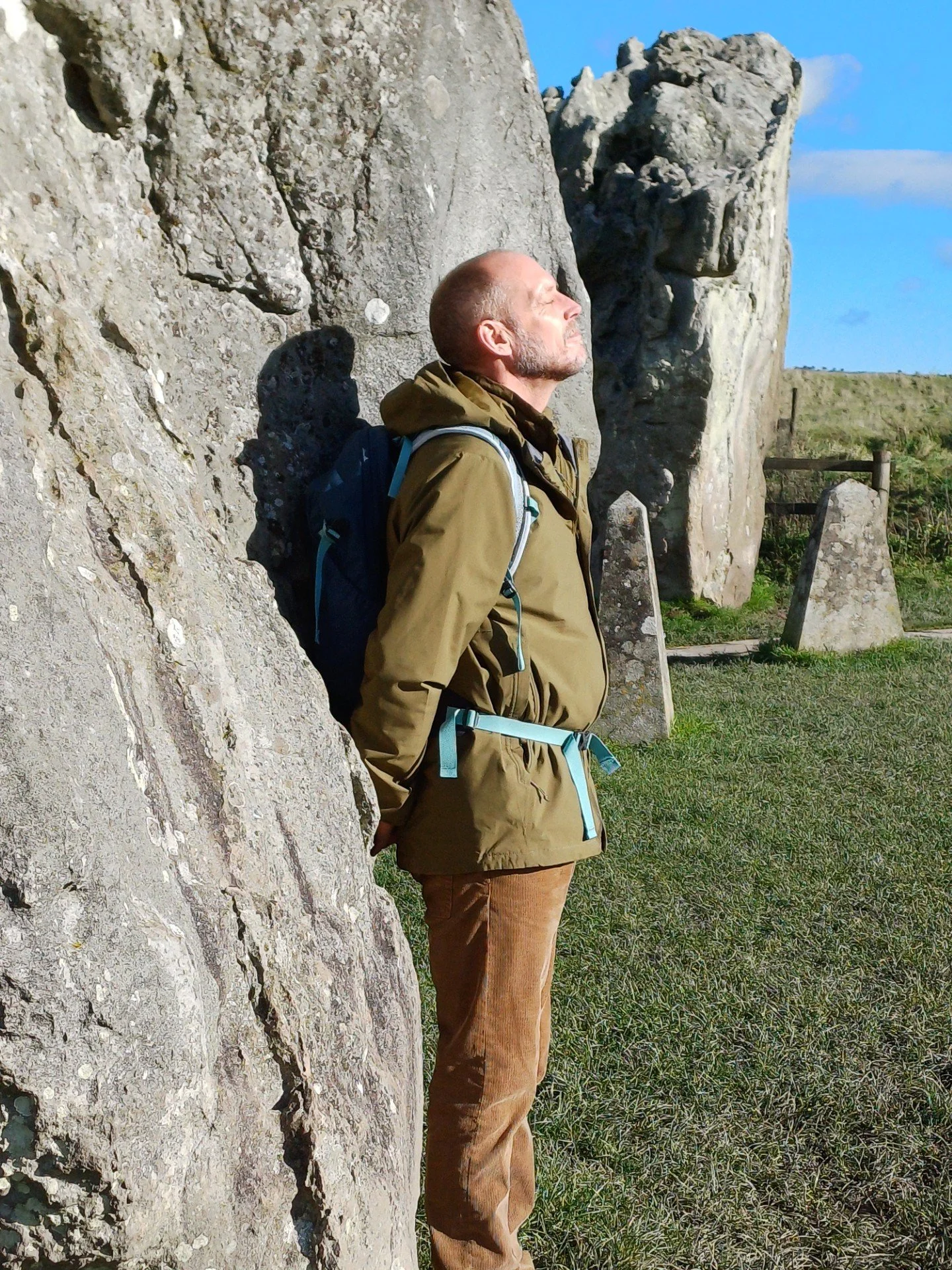
Phil Greenwood - 8 Shields
Marina Robb - Founder Circle of Life
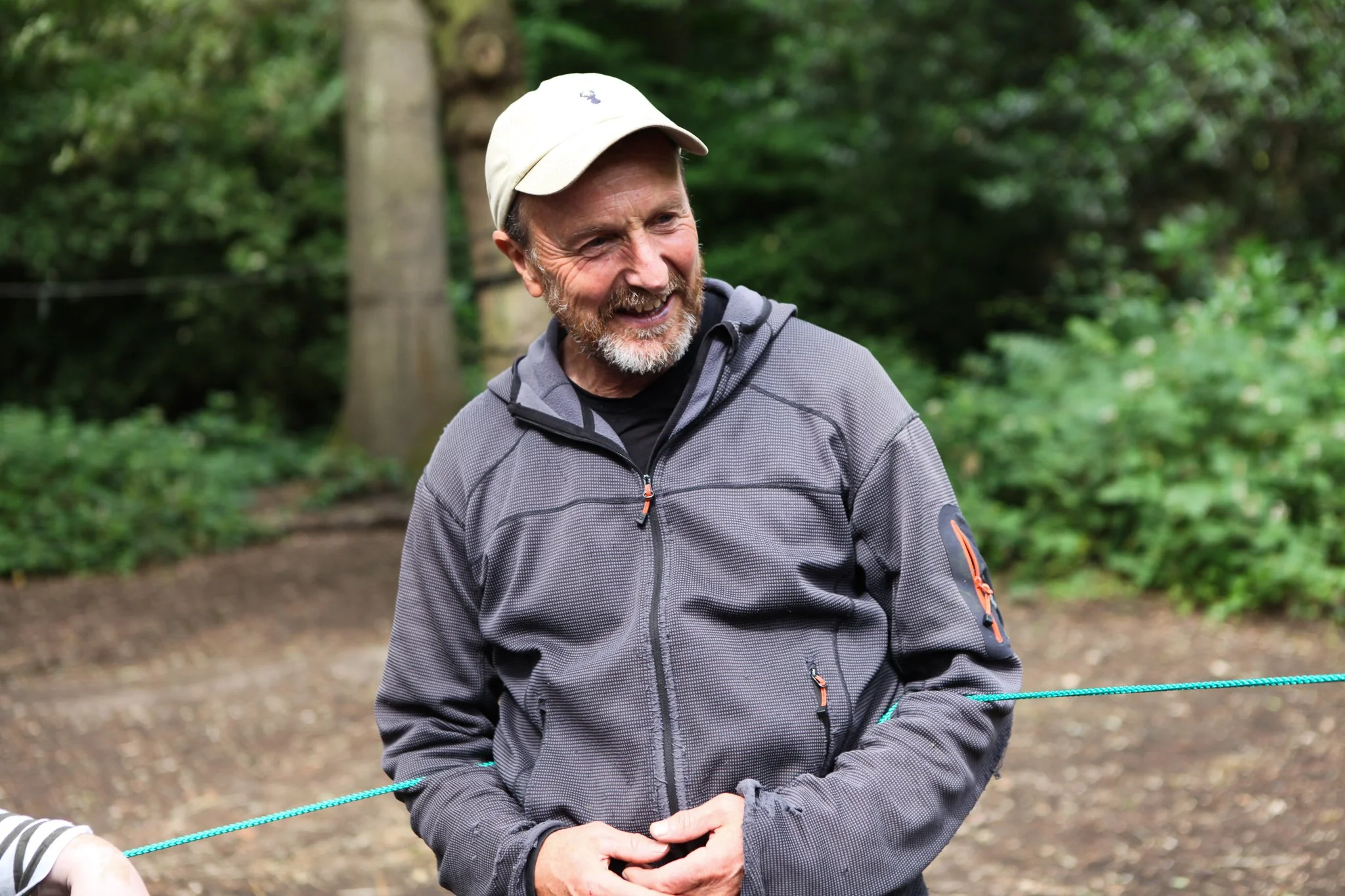
Jon Cree - Founder of Forest School Association
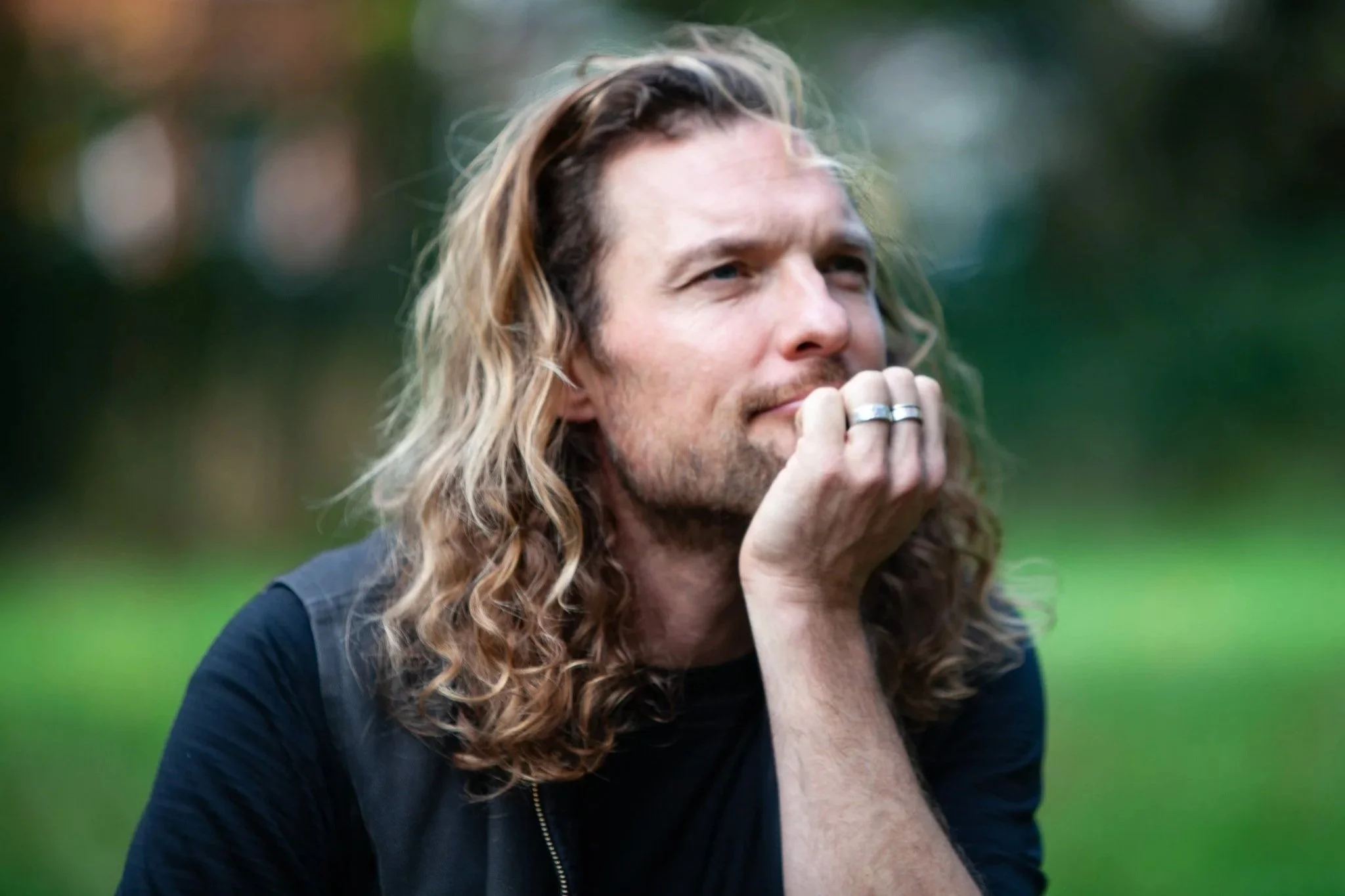
Richard Skrein - Endorsed FSA Trainer
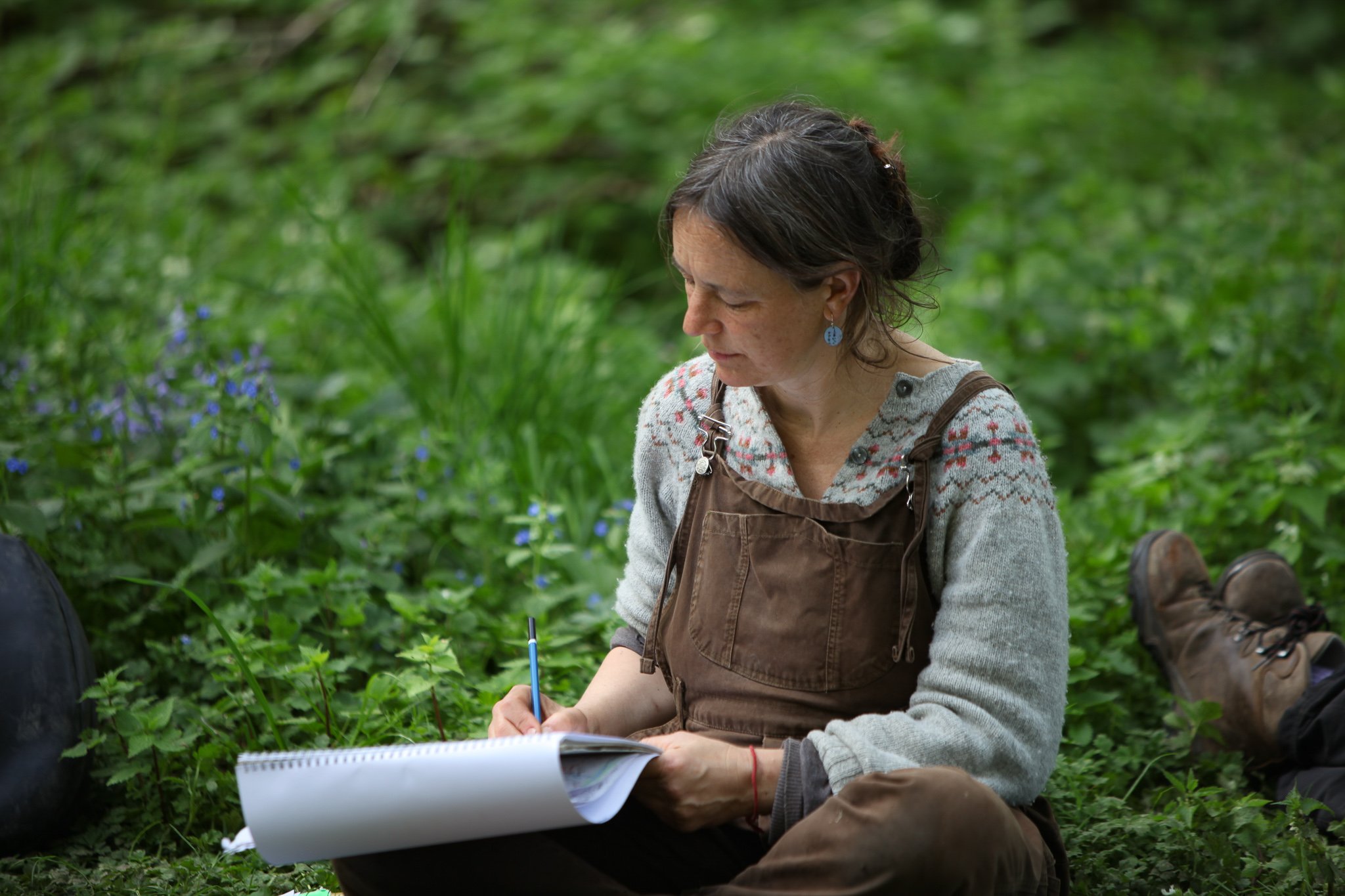
Anna Richardson - The Children's forest
Sarah Porter - Kay Rowe Newham Outdoor Indoor Nursery
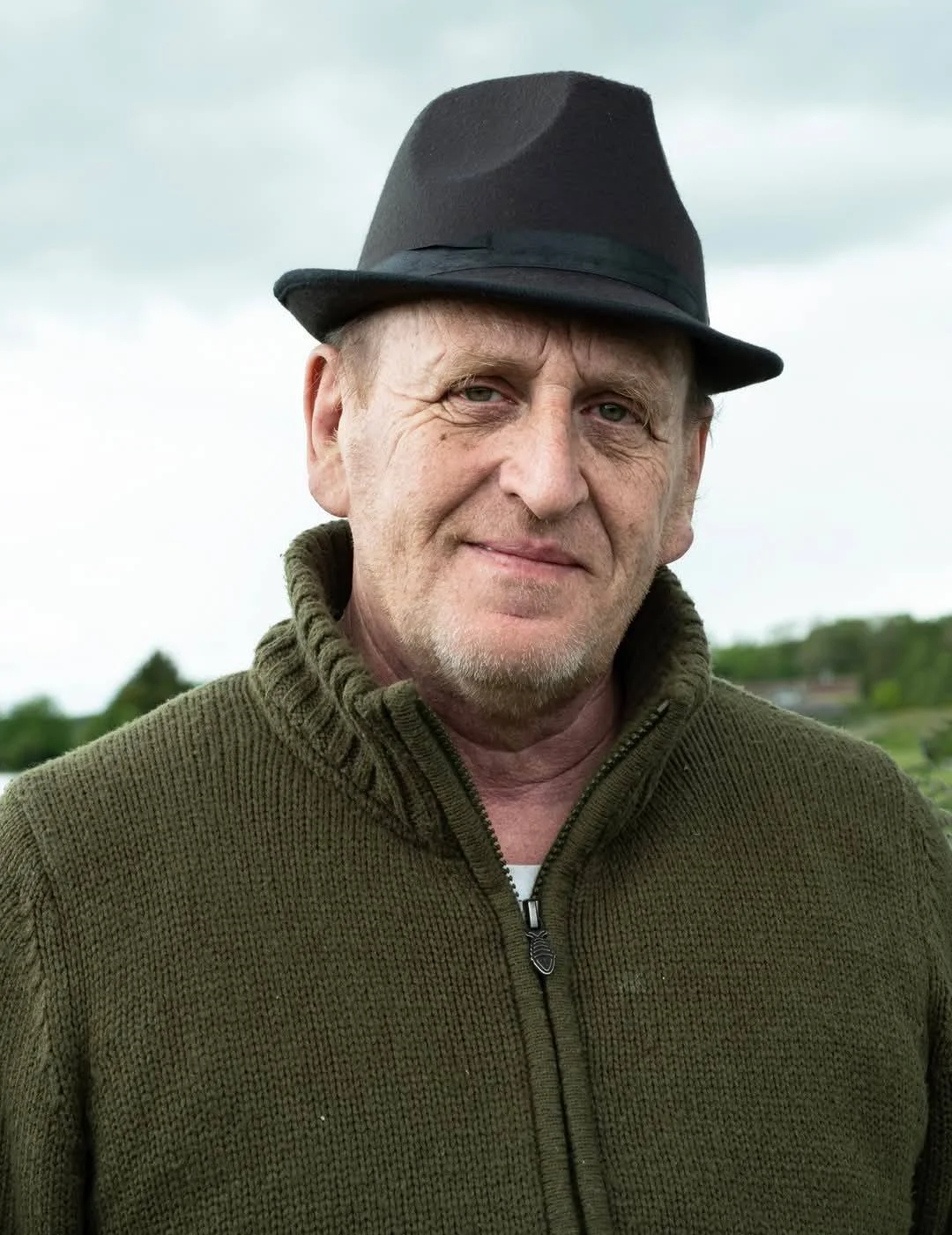
David Spence - The Rekalibrator
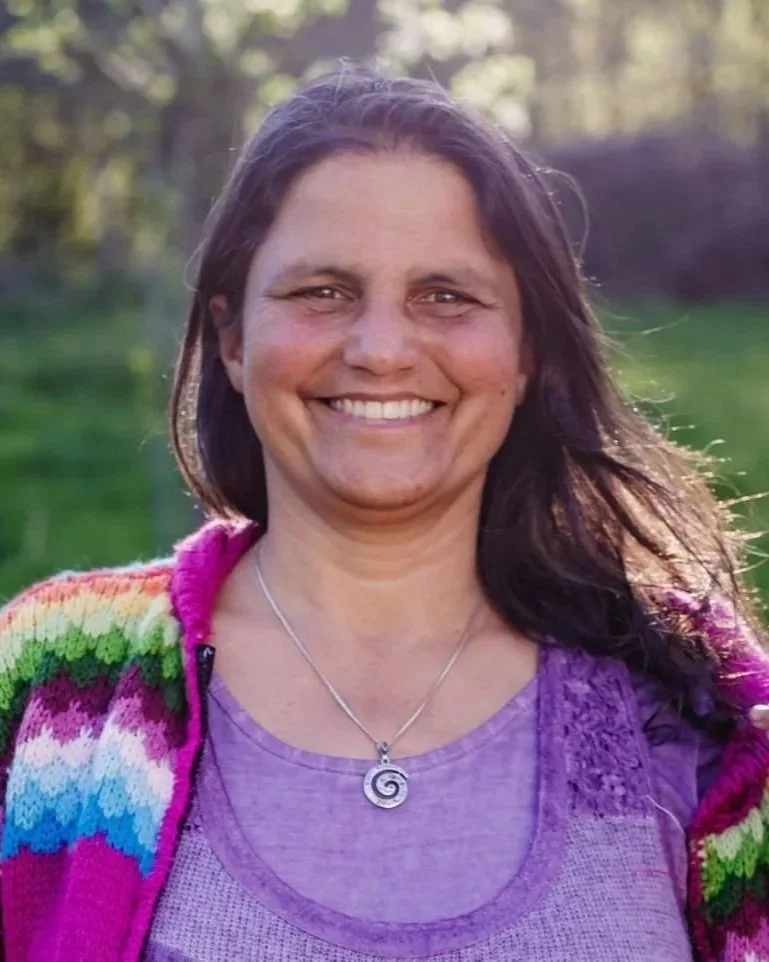
Looby Macnamara - Cultural Emergence
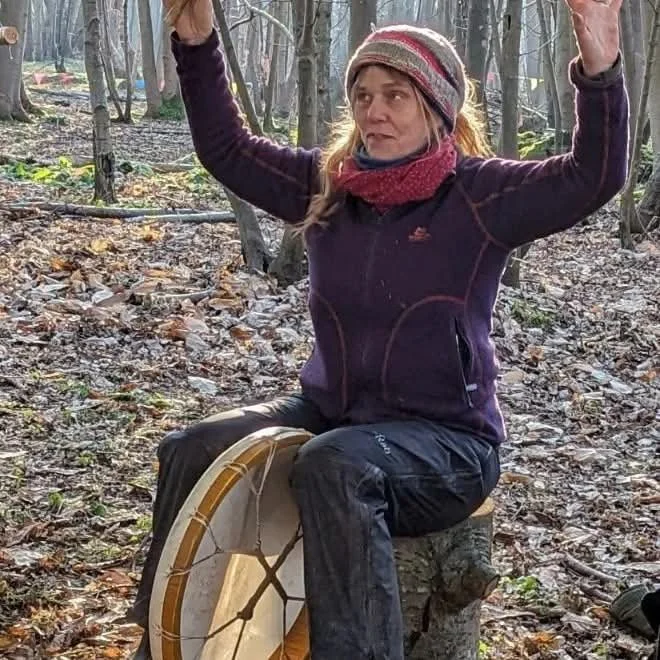
Mell Harrison - Kinda Education
Maria-Sprostranova - GreenwisePeople
TLC Campaign
Vote to hear their voices in parliament.
We need 100,000 signatures on our petition to change our children’s future.
We have many examples across Newham, London, so it is possible everywhere.
-
Review how to better weave nature and wellbeing into the curriculum
Created by Misty Twigg
Closes on 4 February 2027Review how to make nature and wellbeing core parts of the curriculum — not optional. We think this, a "living curriculum", would transform outcomes for children, especially those with SEND and mental health needs. With a new curriculum in 2028, the evidence, and workforce we have, we should act now.
In our view, a nature-based curriculum should mean weaving nature, movement, play, and relationships through every subject — with a focus on science in gardens, maths through building things, literacy through storytelling. We are concerned that we are raising the first generation more connected to screens than to the natural world, but that children learn best through meaningful, hands-on experience. As a signatory to the UN Convention on the Rights of the Child, the UK is committed to developing every child's fullest potential. We believe the expertise exists. Let’s do this.
sign the petition. it takes three seconds. honestly.

Rooted in nature, proven by science -
the curriculum every child thrives in.
-
jobs that graduates trained years for are being replaced by artificial intelligence. youth unemployment is rising. and the people running some of the world's most successful organisations are saying the same thing — the young people arriving in their teams cannot think creatively, solve problems or work well together.
we built our schools for a world that no longer exists. the industrial revolution needed obedient workers. sit down, listen, memorise, repeat. and for over a century, that is what schools delivered. but the world that system was designed for is disappearing and we have not yet asked the most important question.
-
not just to find work — but to live well. to know themselves. to care for others. to grow food, manage money, listen deeply, disagree without causing harm, and feel connected enough to the living world to want to protect it.
the answers to most of the challenges facing humanity already exist. there are innovative alternatives to single use plastics. there are ways of growing food that restore rather than deplete the soil — and with a third of the world's topsoil already lost, food security is not a distant problem. it is arriving now. there are practices that rebuild mental health, reconnect communities and help us live more lightly on this planet. the knowledge is there. what grows the generation of people who will choose to use it is connection — to the living world, to each other, to self and the consequences of their choices.
-
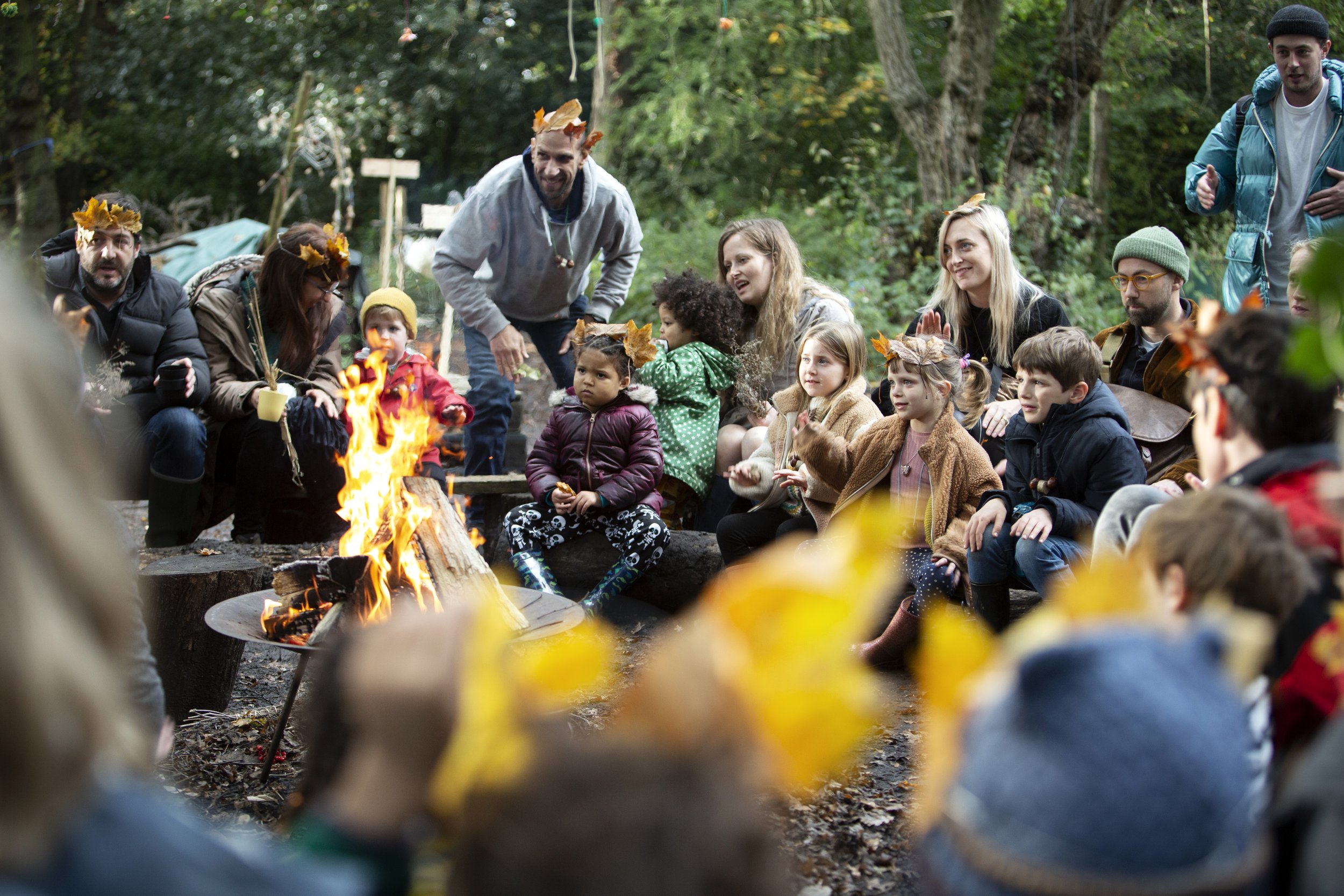
it grows when a group of children agree on a problem worth solving and work together until it is solved. when something they have built with their own hands stands in the world. when a seed they planted becomes food on a plate. when a story told around a fire stays with them for the rest of their lives. learning that lives in the body and heart — through doing, making, growing and creating together — is learning that changes how people act in the world.
we are living through a profound shift. artificial intelligence is changing what work looks like, what knowledge means, what it is to be human. and yet our schools are still preparing children for a world that no longer exists — measuring them by the ability to recall and perform, when what the future asks of them is something far deeper. the ability to grow food and understand the land. to sit with uncertainty and find stillness. to collaborate, to imagine, to care for the living world around them. to be in genuine kinship with each other and with the earth. these are not soft skills. they are the skills that every field — food security, healthcare, climate, community, creativity, enterprise — will depend on. a generation rooted in nature is not a nostalgic idea. it is the most forward-thinking thing we can do.
science has known this for decades. time in nature reduces stress, restores attention and grows resilience, playing with mud as a young person builds immunity and tending soil releases serotonin. these are not alternative ideas - they are biology and yet they are not yet at the foundation of how we educate our children. children need to feel safe and seen before they can learn. play in nature enables the nervous system state and develops the neural pathways that make learning possible.
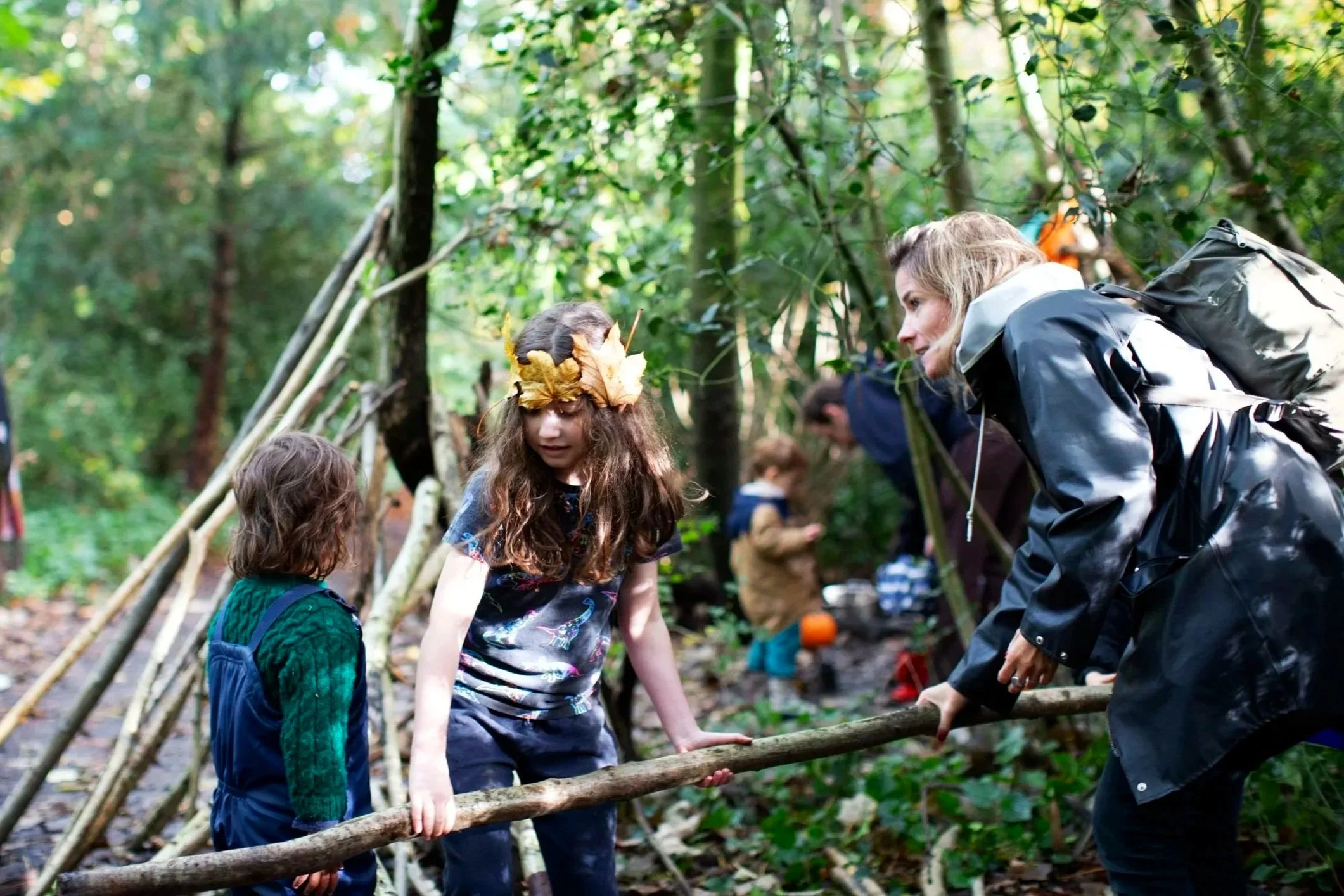
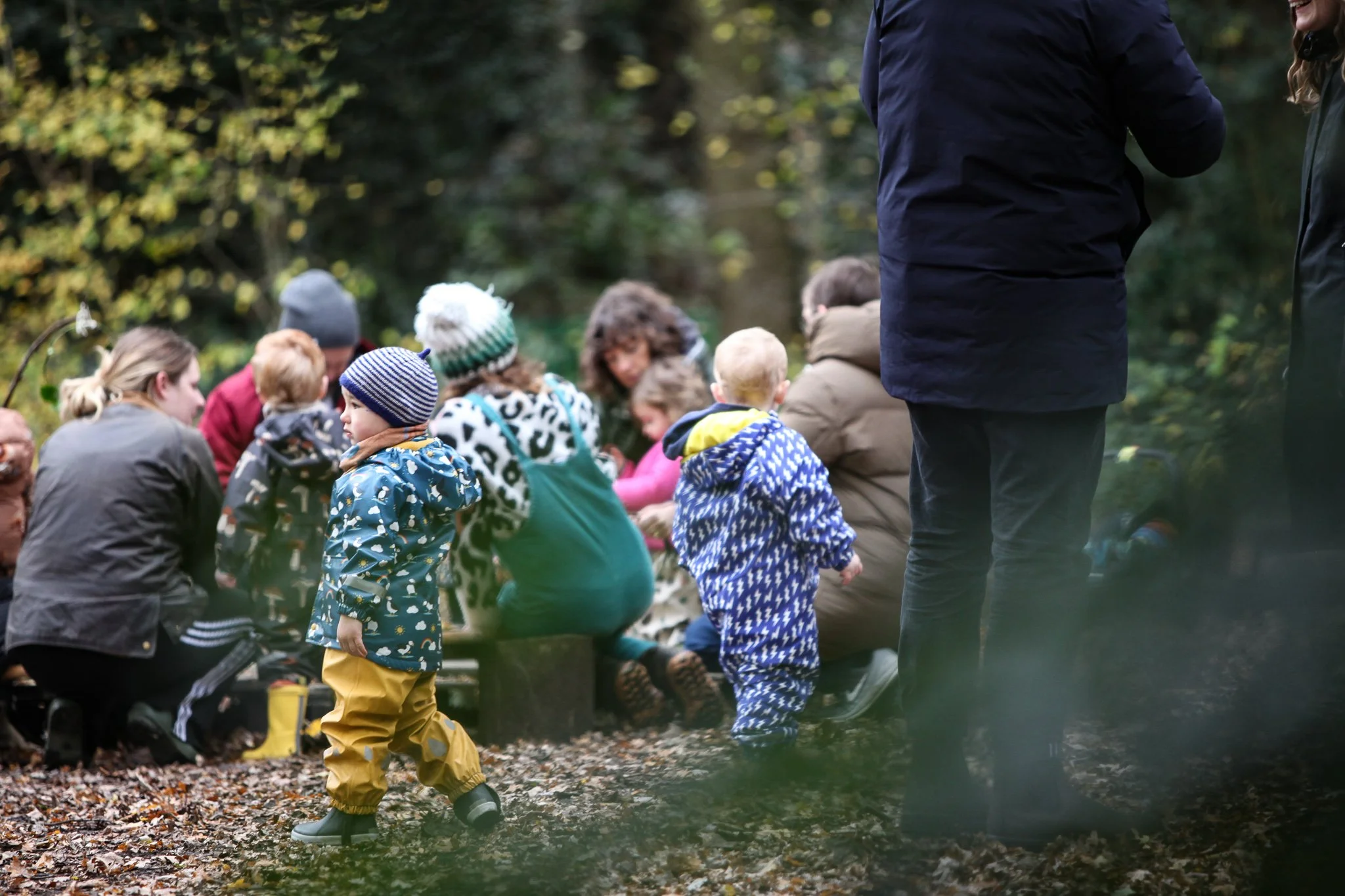
in alternative education and forest schools, this way of learning is already being lived every day. practitioners, play workers, bushcraft leaders, child psychologists, storytellers and permaculture designers are doing this work — skilled, passionate and proven. however, it has not yet found its way into the heart of mainstream education, where most children are.
this is what the living curriculum is here to change.
Prisoners spend two hours a day outside.
Mainstream school pupils spend two hours per week.
1/3 do not play outside after school.
For the first time in human history, children are spending more time on screens than outdoors. We are living through a profound shift. artificial intelligence is changing what work looks like yet our schools are still preparing children for a world that no longer exists.
a growing chorus of voices behind the petition.
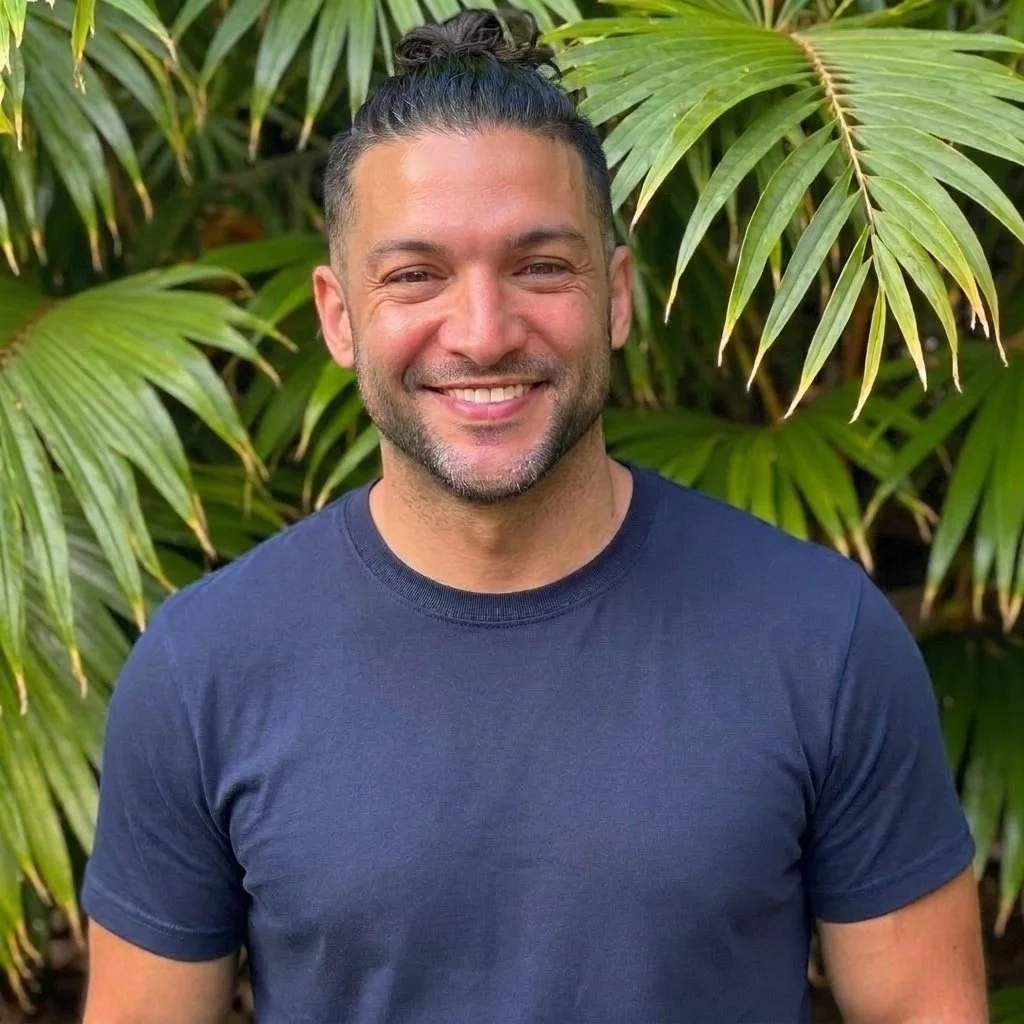
Carl Pratt - Future Planet
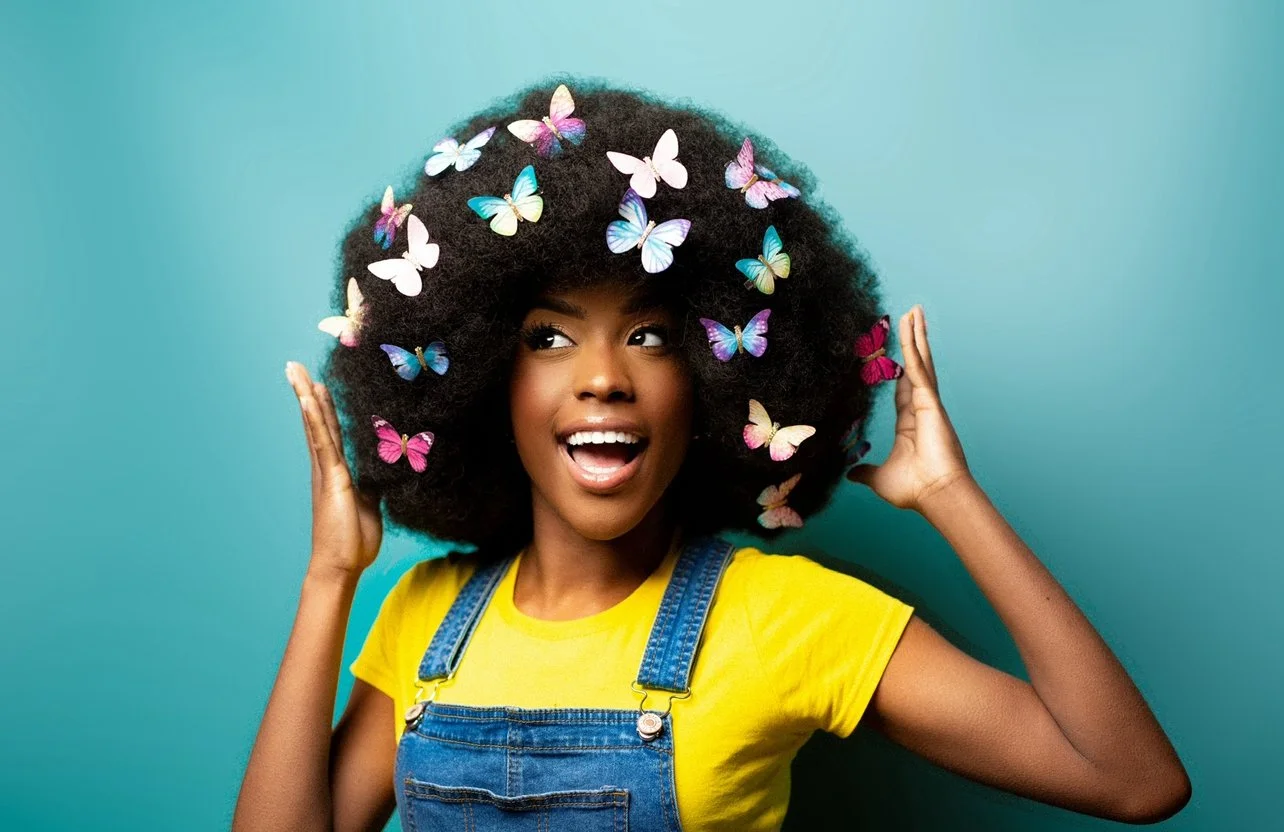
Amber Ogunsanya-William - Inclusive play consultant.
Anna Whitehouse - Activist
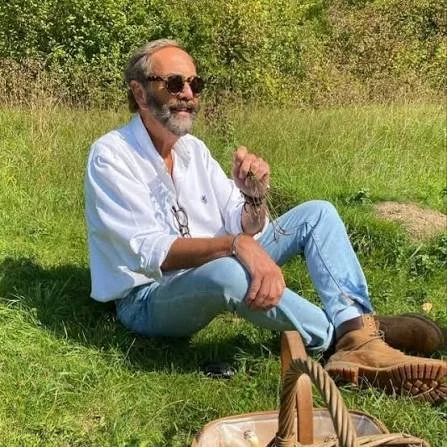
Robert Walton MBE - President of the Restaurant Association
Marta Abril - Slow Living
Kinna Dyson - Forestry Commission
Lara Cowan - Botanic Shed
Polly Hazlewood - Somatic Coach & Podcaster
Maria O'Connor - Moving Beyond founder.
Jo Wakinson - sustainable fashion expert
Kelly Ford - comedian / kin parent
Marsha Martin - black sen mamas
would you like to ensure nature-based provision within your child’s school?
introduce us to your local school. we work with many in inner city london
Organisations supporting the campaign. We are all connected. We are nature.
The outdoor education bill second reading in parliament.
Join us at 10.30am Trafalgar Square on Friday 16th October 2026.
Community for Change Makers

Wren Conservation Group - Bob Vaughn - Chair

City of London
climate majority project
OrganicLea - Food Growing Project
School of Nature
Greenwise People - Outdoor Training Centre

smp - selene - founder & facilitator
Kaye Rowe - Newham Nursery
Roots n Permaculture - Children in Permaculture
Circle of Life Rediscovery - Outdoor Training Centre

Moving Beyond - A journey for climate change.
Wild Ones - music, stories & nature
The Children's Forest - Nurturing the future.
Black Sen Mamas - Community
nature for all
we have a vision to grow forest school outside of our own setting and beyond so that more children and adults can benefit from it. witnessing (since our inception in 2017) the essential benefits of connection to the natural world in a very fast moving technological age.
forest pot & shop
it is through our forest pot that kinship in nature strive to ensure our provision is accessible to those who do not have the financial means. our forest pot ensures not only accesibility but sustainability for the future as we know our work in reconnecting people to the natural world is vital for the future of our planet.
we are being supported in both big (for example, with the funding for our forest school leader traineeship) and small ways (for example, through people who support our subsidised places through buying a kin bag or t-shirt through our forest pot shop.
if you are able to support or know someone who is, please consider sharing our endeavour or making a donation through our forest pot here.
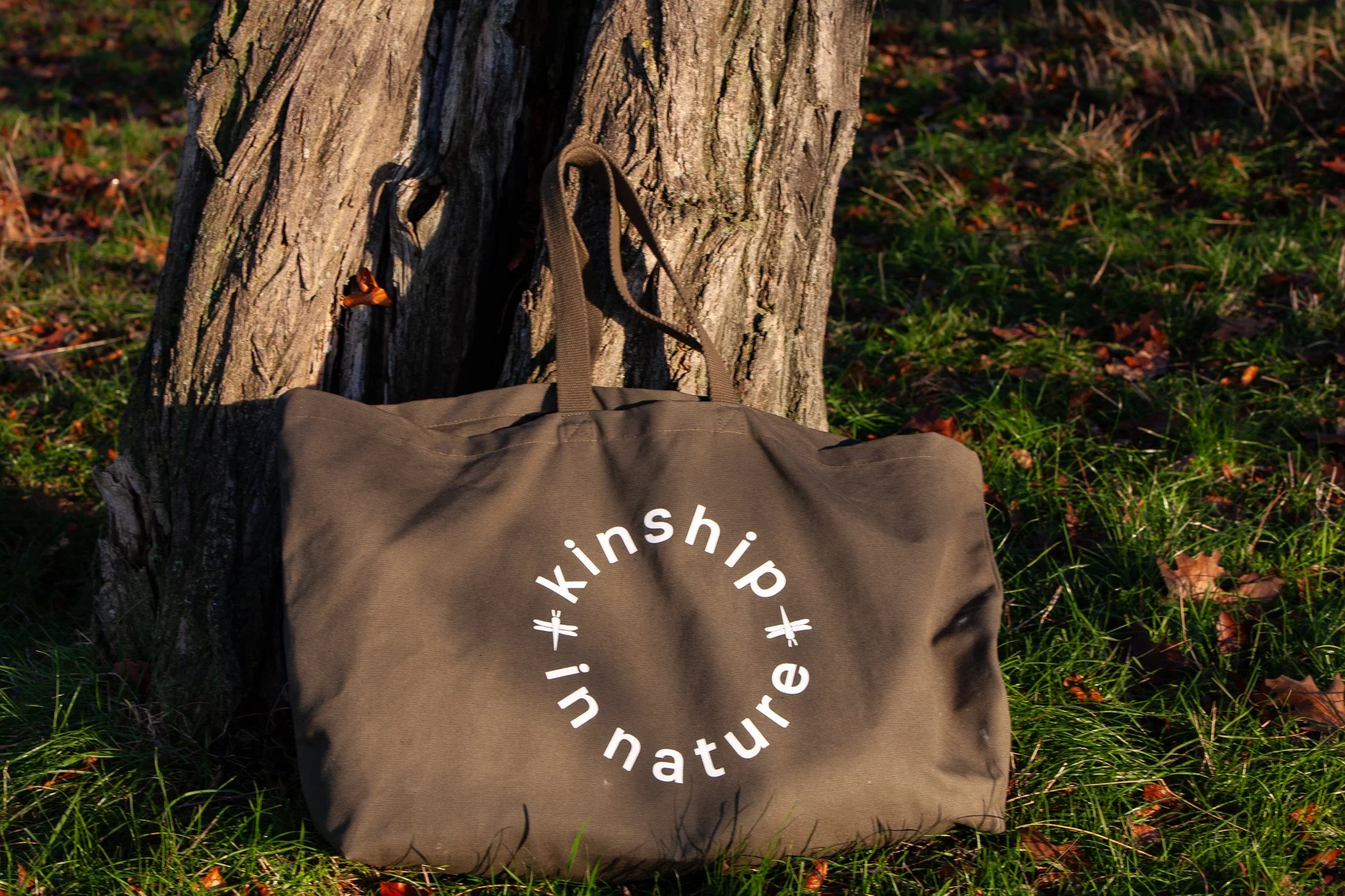
donate to our forest pot to support our commitment to offering access for all.
help us empower future trainees, volunteers and facilitators to impact the mental health, wellbeing and nature connection of our growing communities!